The Return Home
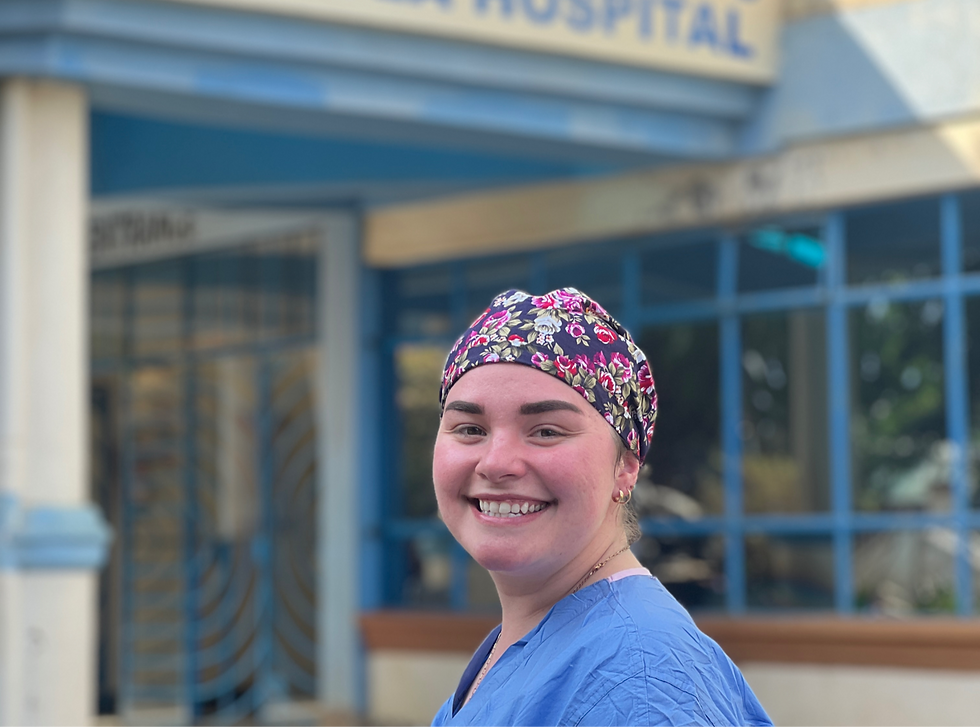
Hello friends, family, and newcomers. Welcome to or welcome back to my blog where I documented the process leading up to and during my first humanitarian mission to Eldoret, Kenya.
It has been one month since I returned.
Being home has been incredibly challenging. During my first week back, I faced severe depression, struggling to re-establish a regular routine and lacking motivation and interest in most activities. I have also been struggling from some kind of flare, my body having just as difficult of a time as my mind. Some days it is difficult to get out of bed due to pain, some days having to use my braces or mobility aids, while others go off without a hitch and I am a perfectly able bodied person. I had no trouble adjusting when I arrived in Africa, so I assumed my return home would be just as seamless. I couldn't have been more mistaken. I quickly realized that reverse culture shock is very real. I felt out of place being back home because I had adapted so quickly to life in Kenya, feeling at home with the people, the culture, and the hospital in such a short time. Fully understanding the drastic difference in culture.
When I was initially planning this trip months ago, I thought it would be a once-in-a-lifetime experience, my only chance to go. However, once I was there, I understood it wasn't a one-time event. Words cannot fully capture the profound impact this trip had on me. Few life experiences can match the emotions I felt during my time there. Reflecting on it has provided me with countless insights.
The people there are among the most beautiful individuals I have ever encountered. Beauty has taken on a completely new meaning for me as I observed how these men, women, and children navigated their world. They built everything from the little they had, showcasing resourcefulness in every aspect of their lives—from obtaining food and water to bring to their homes, making the clothes they wore, and transporting themselves. I spent a lot of time during car rides, at restaurants, and in the hospital simply observing and absorbing my surroundings. I witnessed humility, love, sacrifice, pain, hope, suffering, and community. It was a truly unique experience to observe humanity in this way.
At the hospital, I witnessed profound love, appreciation, and gratitude, along with an openness that I rarely experience elsewhere. Despite the disparities and hardships they face, they remain kind and loving individuals. They are immensely grateful for the care provided, even after enduring suffering, being outcast from their homes, families, and communities. They had every reason to be hardened by their circumstances, to be angry with the world for all they had endured. Yet, they were anything but hardened or angry. They were full of hope and gratitude. Some women traveled several days on foot and used various modes of transportation to reach the hospital for treatment. Some waited several more days upon arrival to finally receive care. These surgeries are a lifeline for these women, a means to reestablish life and reintegrate into society. Female pelvic fistulas in sub-Saharan Africa carry significant stigma due to a lack of education, cultural beliefs and practices, and societal pressures. Many women do not receive the care they need because their families discourage it. Some women are disowned by their families, abandoned by their husbands, and shunned by their communities. In some cultures, fistulas are believed to be caused by evil spirits. Women may go a decade or longer before receiving treatment, leaking urine and stool constantly in the meantime, having to wear diapers at all times, and being unable to find employment due to the odor. These women embody strength, beauty, courage, resilience, and bravery. The most powerful moments were when I sat with them and listened to their stories, some of which made my stomach twist and heart break. Being part of this mission, giving back hope and dignity to these women, and being a small part of their stories is indescribable. They are inspiring hope for future generations.
We often struggle to understand how some people live with so little because we are absorbed in our own lives. When we don't see it directly, it's easy to overlook. However, being there made me realize how fortunate I am every day to have the life and resources I do. In Nairobi, the slums housed hundreds of thousands living almost illegally. While most places had electricity, there was no running water, and the space was so cramped that in an emergency, like a fire or medical issue, proper services couldn't reach them due to the lack of space for trucks. In Eldoret, people lived in tin huts with dirt floors, without running water or electricity. They sourced food from roadside shops, with some grocery stores available but not accessible to many. Walking or riding motorcycles, the most popular transport, was common. Hospitals were scarce, mostly private and expensive. Health insurance existed but wasn't user-friendly, making most pay out of pocket for healthcare. As of January 1st, they revoked reimbursement for childbirth, which will deter women from going to the hospital to have their babies. This will unfortunately lead to more obstructed or prolonged labors due to inadequate access to healthcare and maternity care, resulting in more female pelvic fistulas. While healthcare and insurance in America are far from perfect, they are not as inadequate as they are there. It's incomprehensible how limited their healthcare access is. As a chronic illness patient, who has unfortunately had to fight very hard to be seen and heard in many situations, I have taken for granted how blessed I am to have access to hospitals and specialists and really good insurance. I could not imagine having to live with the illnesses that I live with if I lived there. It was very eye-opening and made me realize how truly blessed I am, reminding me every day to reframe my mindset and appreciate all that I have. Because while living with chronic illness is hard and really challenging sometimes, I am alive, with a roof over my head, food on my table, three beautiful cats, a stable job, and any specialist that I need. It gives you an entirely new perspective on life. A different kind of appreciation.
Dr. Hillary Mabeya, Dr. Carolyne Mabeya, and the team at Gynocare demonstrate immense selflessness and dedication to their mission. It is one of the most extraordinary things I have ever observed. Their commitment to enhancing the lives of those affected by female pelvic fistulas is truly inspiring. I am profoundly thankful for the chance to collaborate with them, learn from them, and grow personally within their organization. I am eager to devote my time to educating others and raising awareness about the incredible work they are doing, and I look forward to returning to further support the mission. During my time there, I learned a great deal about myself through the people I met and the experiences I had.
This journey reminded me of why I decided to become a nurse and what it truly means to be one. It emphasized that being a nurse on this mission is a wonderful, amazing, and beautiful experience. Yet, the impact goes far beyond the hospital walls, reaching into the community and influencing the youth. This trip was about humanity, focusing on restoring hope, dignity, and a brighter future for the women of Africa. My heart has changed, and my perspective on the world has shifted. Eldoret, Gynocare, everything about it is uniquely beautiful, reminding me not to judge a book by its cover, but by the story within and the emotions it evokes.
Although adjusting to being home has been challenging, many wonderful things have occurred. I had the opportunity to share my experience and raise awareness about female pelvic fistulas on The Chronic Chronicles podcast, which is available on Spotify, iMusic, or wherever you listen to podcasts. I also presented alongside Dr. Spivak and Dr. Hull to our department's surgeons, fellows, residents, and medical students about our trip. We are planning another presentation for the nurses in our department. I have started searching for conferences to present at and am collaborating with local staff to identify educational needs for their nurses to help create sustainability. While there, I made a significant life decision and have been studying for the MCAT since returning home. It feels surreal to share this here, as I have been quite reserved about it, but it seems fitting since I've already shared so much with you. I have begun classes at work to become an Ethics Resource Nurse for my department, with graduation expected in January of next year. Beyond professional achievements, I have been enjoying time at home with my cats, taking numerous walks to the beach club, reading many books, attending baseball games, and spending time with family and friends. Although I long to return, there are many things I can do here to prepare for next year's mission, and that prospect excites me greatly.
I am incredibly grateful to the friends, family, and strangers who have accompanied me on this journey. It has been thrilling for all of us. I've cherished having this platform to share everything I could and to have a space to always revisit the memories. I will update the blog as we start preparing for 2026, but for now, Meg is signing off. Until next time :)
All Love,
Meg.


Comments